
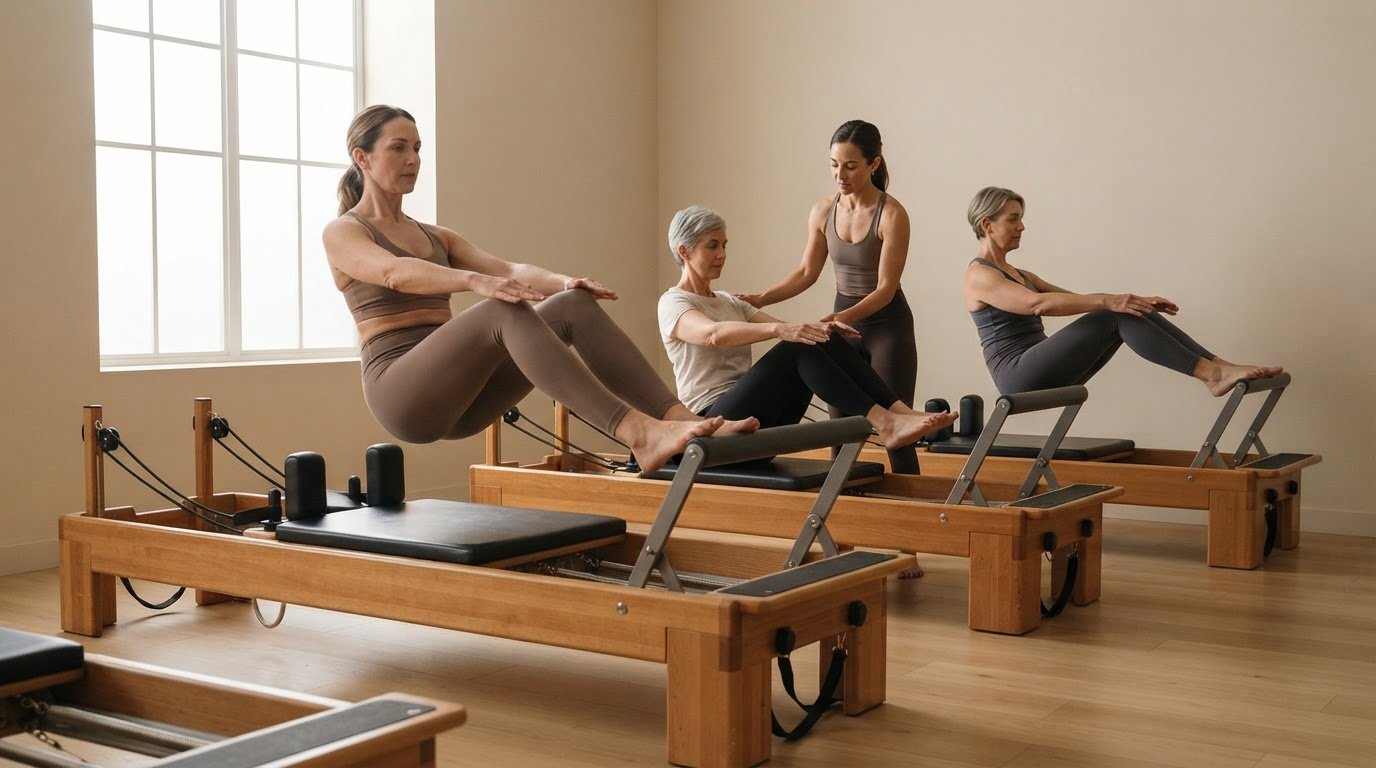
Last-minute class planning is often a workflow problem, not a teaching problem. A steadier approach to avoiding the stress of last minute class planning is to organize tasks early, decide what needs attention first, and preview the content before class day. Small preparation steps can make the work feel more manageable.
It’s easy to put planning off until a free moment appears, only to find that time filled with other responsibilities. The pressure can make it harder to focus, even when you know your material well. A clear routine helps you begin before urgency takes over.
Use these practical strategies to prioritize planning tasks, break preparation into manageable steps, and set aside focused time to review content. A repeatable planning rhythm also leaves room for changes, without relying on a last-minute scramble.
Key Takeaways
- Sort planning tasks by urgency and importance, then reserve focused time to make steady progress.
- Break preparation into manageable steps so starting feels easier than facing the whole plan at once.
- Reuse lesson plans as a starting point, adjusting the sequence and content to suit the class.
- Leave room to adapt when a lesson takes an unexpected turn instead of planning every minute.
- For Reformer Pilates classes, explore how curated exercises and sequencing tools can make class preparation more streamlined.
Table of Contents
- 1. Planning, prioritization, and organization
- 3. Stress and last-minute work
- 3. How can teachers reuse and adapt existing lesson plans effectively?
- 4. What are the risks of overplanning, and how can teachers build flexibility into lessons?
- academic stress
- ReformerFlow by Ginty
1. Planning, prioritization, and organization
Start with one planning view for upcoming classes. Add each lesson, deadline, and preparation task to a calendar, then mark what needs to be ready first. A class tomorrow, for example, needs its materials checked before a lesson planned for next week. A visible calendar or checklist turns scattered reminders into clear next steps.
Prioritize tasks by consequence and timing, rather than by which feels easiest. Identify what students need to participate, which materials require preparation, and what can wait. If tomorrow’s class needs a reading excerpt and discussion prompt, prepare those before polishing slides for a later session. This protects essential learning activities when planning time is limited.
Break larger jobs into tasks small enough to start. Instead of writing “plan the unit,” list actions such as reviewing the syllabus, previewing the next reading, choosing an activity, and preparing instructions. Time boxing gives a task a defined work period; time blocking reserves calendar space for it. Both help you see where preparation fits without expecting a perfect schedule.
- Record key dates. Review the syllabus at the start of a course and enter major deadlines, assessments, and class topics into a planner. Add preparation steps before each date, so the calendar shows when work needs to begin.
- Choose one priority. The University of San Diego recommends tackling one task at a time when breaking down large projects. For a lesson, that could mean previewing the assigned content before choosing questions or activities.
- Use focused work intervals. A 25-minute Pomodoro interval can give a bounded period for one planning task, such as outlining a lesson sequence. Afterward, note the next action before switching to another responsibility.
- Batch similar work. Group tasks such as reviewing readings, drafting discussion prompts, or preparing class materials into predictable blocks. A consistent theme for each block reduces repeated switching between unrelated tasks.
- Estimate and adjust. Ask students to estimate task duration when planning shared project work, then compare estimates with actual progress. If a step takes longer, move lower-priority work rather than letting the whole plan collapse.
Keep your system flexible enough to account for how difficult tasks feel. If drafting a lesson seems daunting, spend ten minutes jotting down possible activities, then choose one useful idea. A checklist shows progress, while an open calendar block leaves room for changes when class needs shift. Planning is more manageable when it supports decisions rather than demanding constant productivity.
3. Stress and last-minute work
Putting off preparation can be a way to avoid uncomfortable feelings about a task. A lesson may feel uncertain, demanding, or difficult to get right, so postponing it offers brief relief. But that can make it harder to start later, when the deadline competes with other responsibilities. Recognizing the emotional barrier helps you address the task itself instead of treating delay as a character flaw.
Several pressures can make preparation easier to avoid: low confidence, high stress, underestimating how long work will take, or mental and physical fatigue. A teacher unsure how to introduce a new topic, for example, may keep revising the plan instead of drafting its opening activity. Guilt and self-blame can deepen the cycle. Replace “I should have started” with a specific next action, such as writing three possible prompts.
Make the first step deliberately small. Open the lesson file, add a working title, and sketch an imperfect sequence before refining it. A rough draft gives you something concrete to improve; waiting for the perfect approach keeps the task abstract. If planning feels hard to begin, gather ideas for ten minutes, then develop one useful piece. Starting before motivation arrives can help momentum build through action.
Protect your first work period from avoidable interruptions. Choose a defined interval, silence your phone, or disable Wi-Fi if you don’t need online access. For example, use one focused block to outline the class, then pause before reviewing materials. If anxiety rises, take a short walk, practice deep breathing, or call a trusted friend during the break. These steps create space to settle before you return to planning.
Don’t use an all-nighter to make up for delayed preparation. Too little sleep can hinder performance and make tasks take longer, extending the pressure into the next day. Instead, identify the essential parts of tomorrow’s class, complete those first, and move optional refinements to a later planning block. If the lesson remains unfinished, a clear outline and prepared core activity give you a more workable starting point than trying to perfect every detail while exhausted.
For Reformer Pilates instructors, a structured class-building workflow can reduce the blank-page effort. Explore a focused class-planning tool when selecting and sequencing exercises is the main source of delay. Keep the goal practical: make the next planning action clear and manageable, then return to the rest with a more settled mind.
Procrastination is often a way to avoid uncomfortable emotions associated with a task, rather than a sign that the task does not matter. The amygdala detects threats, and tasks that cause difficult feelings such as anxiety may be perceived as threats. This can help explain why beginning feels uncomfortable even when the next step is straightforward.
Intense cycles of procrastination can contribute to chronic stress, imposter syndrome, and self-doubt when avoiding the stress of last minute class planning. Low confidence, high stress, an unrealistic sense of time, and mental or physical fatigue can also play a part. Guilt and self-blame may keep the cycle going, so respond to a delay with a useful next step instead of criticism. During a break, a short walk, deep breathing, or a call to a trusted friend may help you relax when anxious or stressed about an assignment.
3. How can teachers reuse and adapt existing lesson plans effectively?
An existing lesson plan is a starting point, not a script. Reuse its structure, then adjust anything that no longer fits the class, learning goal, or available materials. Keep a successful opening activity, for example, but replace a reading that no longer matches the unit. This preserves useful preparation while keeping the lesson relevant to the students in front of you.
Begin by identifying the plan’s core objective. Write down what students should understand or be able to do by the end, then compare each activity with that objective. If a group discussion supports the goal, keep it; if an old worksheet mainly adds work, revise or remove it. This quick alignment check prevents familiar materials from taking over the lesson.
Next, review the sequence from a student’s perspective. Check whether the opening connects to prior learning, the instructions are clear, and the final task lets students show what they understand. A plan designed for a full-class discussion may need a brief individual reflection if students need more thinking time. Adapt the format without losing the learning purpose.
Make changes in a copy of the original plan, and label what you changed. A short note such as “replace partner discussion with written response” makes the revision easier to understand next time. Keep the original intact so you can return to it if the new approach doesn’t suit the class. Add a date or topic label to distinguish versions in your planning folder.
Consider practical conditions before class. If a plan relies on printed handouts, decide whether the same activity can work with a projected prompt or board notes. If it assumes students already know a term, add a short review or example. These adjustments matter because a lesson can look sound on paper yet be difficult to run with different materials, group dynamics, or prior knowledge.
After teaching, record one observation while the lesson is fresh. Note where students needed clarification, which activity prompted useful discussion, or which instruction took longer than expected. For instance, “model the first response before independent work” gives the next version a specific improvement. A brief record turns each reused plan into a resource shaped by classroom experience.
Keep a simple archive organized by unit, topic, or learning objective. Use consistent file names, such as “fractions, visual models” or “argument writing, evidence.” When planning a new class, search for a matching objective instead of starting from scratch. Select the closest plan, keep what still works, and revise only the sections that need a different approach.
4. What are the risks of overplanning, and how can teachers build flexibility into lessons?
A tightly scripted lesson can be hard to adjust when students need more explanation or finish an activity early. A teacher who assigns fixed minutes to every discussion, for example, may rush useful questions to stay on schedule. The plan then competes with the learning happening in the room. Overplanning can also use preparation time on details that don’t improve the lesson’s central objective.
Build the lesson around essential outcomes, not a perfect sequence of events. Identify what students should learn, then mark which activities directly support that goal. If a planned video fails to load, a prepared prompt on the same concept can keep the class moving. Treat the objective as the anchor and individual activities as options. This makes adjustments easier without losing the purpose of the class.
Use a simple core-and-flex structure in the lesson plan:
- Core: Keep the learning objective, essential explanation, and main practice task. For a lesson on persuasive writing, students might identify a claim and support it with evidence.
- Shorten: Note an activity that can be reduced if discussion runs long. A full-class share-out could become a brief written reflection.
- Extend: Prepare a related prompt for students who finish early. They could find a counterargument or explain why a piece of evidence is convincing.
- Substitute: Add a low-preparation alternative for an unavailable resource. Replace a video example with a short passage or a teacher-created scenario.
Plan transitions, but don’t script every sentence. A concise direction such as “compare your evidence with a partner” gives students a clear next step while leaving room for follow-up questions. Keep materials for the main task ready and optional resources within easy reach. This reduces the urge to prepare elaborate backup activities that may never be used.
Check for flexibility by watching how students respond during class. If several misunderstand a key term, pause the planned sequence and model an example before continuing. If the concept is clear, move to the next task rather than completing every planned explanation. A short note after class, such as “add a model before independent practice,” can improve the next version without making the plan unnecessarily long.
Set a clear stopping point in the plan. If an activity takes longer than expected, identify which optional task can move to the next class and what students need before they leave. For example, keep the essential practice and skip an extension prompt. This protects learning goals while letting the lesson respond to real classroom needs.
academic stress
Academic stress can affect more than a student’s mood. In a survey of nearly 68,000 college students, 34% reported that academic stress resulted in an incomplete or dropped course, or a lower grade. Chronic or excessive stress can also affect learning, focus, problem-solving, and positive relationships. For educators, noticing strain early can help make class expectations clearer and support more manageable work habits.
Make the next action visible. When students feel overwhelmed by a major assignment, help them identify one small task, such as choosing a topic or opening the reading. Compassionate self-talk can acknowledge pressure without turning it into self-blame: “This feels difficult, so I’ll start with one paragraph.” An accountability partner can also help students stay focused on a specific goal.
Make large workloads easier to approach by spreading them across a routine. Providence College advises students to make textbook reading more manageable by reading one chapter per week rather than cramming five chapters into one weekend. Educators can support this approach by setting intermediate milestones, such as completing a reading before a discussion or drafting one section before revising. Smaller checkpoints help students see their progress.
Short, time-limited breaks can provide a pause between study sessions without making rest another source of guilt. Providence College suggests breaks such as walking, having a snack, or making a phone call. A student who feels stuck might take a brief walk, then return to a defined next step. For a one-minute reset, students can try a breathing exercise before resuming work.
Clear routines also reduce uncertainty. At the start of class, explain the sequence of activities and flag changes as early as possible. A brief stress check-in can take less than two minutes: students rate their stress from 1 to 5, then identify what would help them begin. Digital forms, sticky notes, hand signals, or a classroom chart offer different ways to respond. Educators can use patterns in those check-ins to adjust instructions or connect students with support.
Use this information to guide practical changes, not to label students. If several report difficulty with a reading, clarify its purpose and break the task into steps. If a deadline causes confusion, restate the due date and the first milestone. Small adjustments to communication and workload can make expectations easier to understand while keeping learning goals in view.
Explore a more structured class-planning workflow## ReformerFlow by Ginty
ReformerFlow by Ginty helps Reformer Pilates instructors organize class preparation and sequencing in one app. Build a class in about five minutes using a curated library of over 400 exercises, with video, level, and spring-setup details. The app’s class sequencing tools can help turn exercise choices into a clear plan, making it useful when preparing classes feels fragmented or repetitive.
The ReformerFlow App Subscription includes recurring access to the exercise library and sequencing tools. If you’d like to explore the app, a 7-Day Free Trial is available. It’s a practical next step for instructors who want a more structured way to prepare and adapt classes.
Contact ReformerFlow by Ginty to learn more.
Build a planning rhythm that lasts
A practical way to avoid the stress of last-minute class planning is to treat preparation as a routine you can refine. Choose a regular time to review upcoming classes, then notice what repeatedly causes delays. Perhaps selecting activities takes longer than expected, or materials are hard to find. Use those observations to adjust your process rather than automatically adding more planning steps.
Keep the next improvement small and specific. You might group frequently used resources or follow a consistent order when preparing each class. After trying the change, consider whether it made planning clearer and easier to maintain. A steady workflow supports better decisions without requiring every lesson to follow the same script.
For Reformer Pilates class-planning support, Contact ReformerFlow by Ginty.
Choose one practical adjustment for your next planning session. Progress comes from a routine that works on real teaching days.
Frequently Asked Questions
How can teachers plan lessons ahead to avoid last-minute stress?
To avoid the stress of last minute class planning, set a recurring time to prepare upcoming classes. After teaching fractions, for example, note where students struggled and use that observation to shape the next session. Keep a brief handoff note with the lesson file, including the opening task and materials to gather. This makes it easier to resume after interruptions and keeps classroom observations from getting lost.
What should a teacher include in a lesson plan checklist?
A useful checklist covers the learning goal, lesson materials, activity instructions, and how students will show understanding. Add practical details such as links or handouts, room setup, and a backup for any resource that might fail. For a group activity, include how students will form groups and what to do if they finish early. Focus the checklist on details that affect delivery, rather than recording every teaching decision.
How can teachers plan lessons when schedules or student needs change unexpectedly?
Identify the lesson’s essential learning outcome and choose an activity that can still meet it if conditions change. If an assembly shortens class, for example, keep the core explanation and one focused practice task, then move an optional extension to another session. If students need more support, use a worked example before independent practice. Explain what has changed and what remains expected, so students can reorient without guessing.
What are practical ways to reduce teacher stress and prevent burnout during lesson planning?
To make avoiding the stress of last minute class planning more sustainable, set a clear stopping point and record the next action before closing your materials. During demanding weeks, reuse a familiar activity structure and update only what needs to change. Take a short break between planning tasks, and talk with a trusted colleague when the workload feels difficult to manage. Persistent distress may call for support beyond planning adjustments.